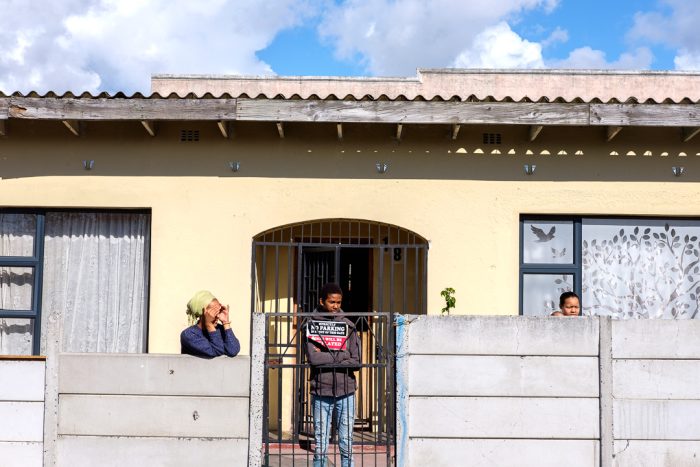
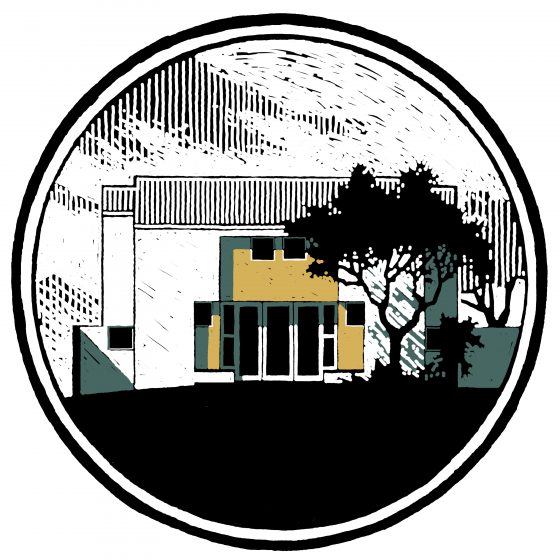
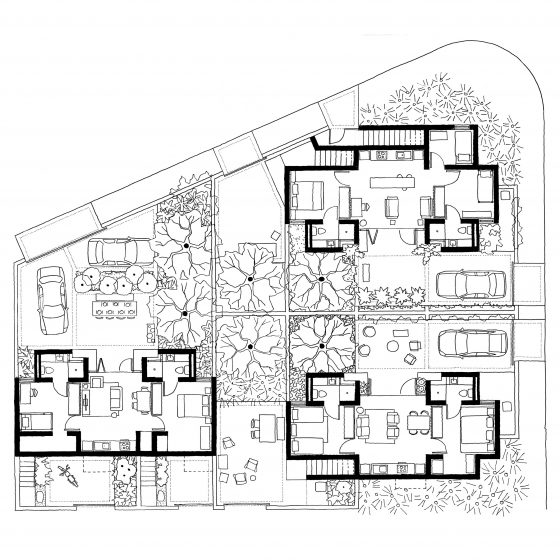
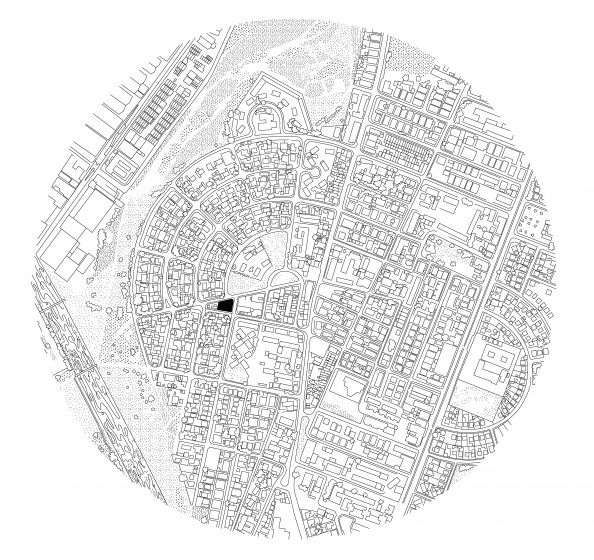
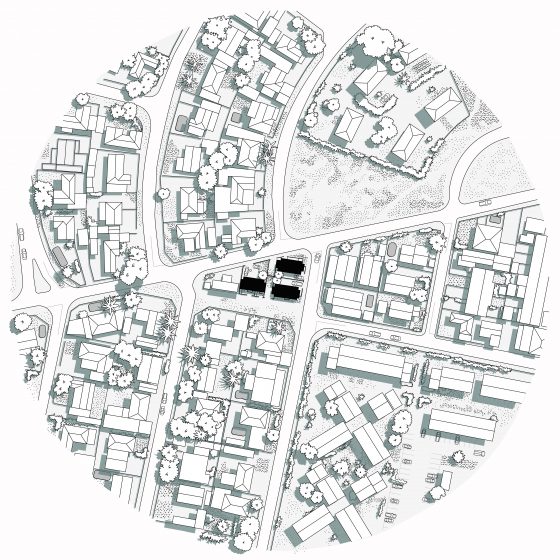
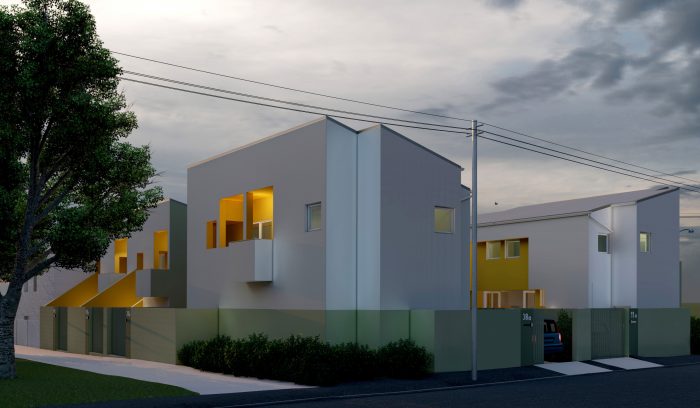
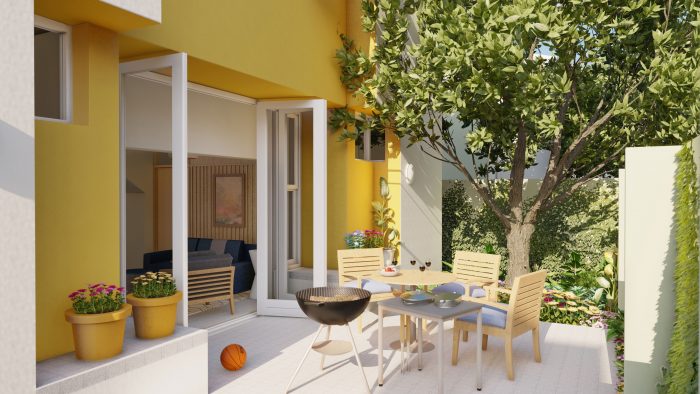
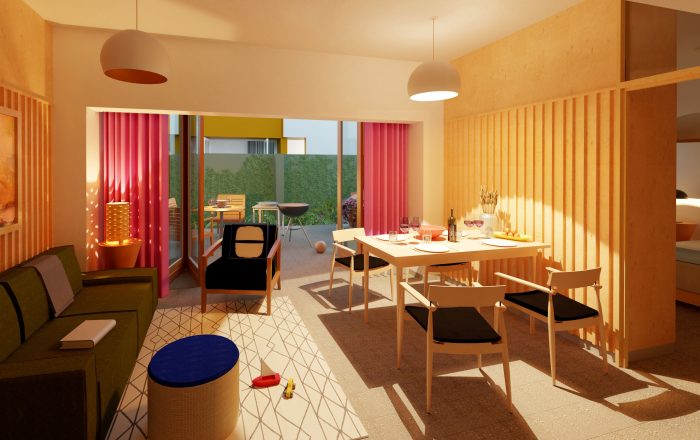
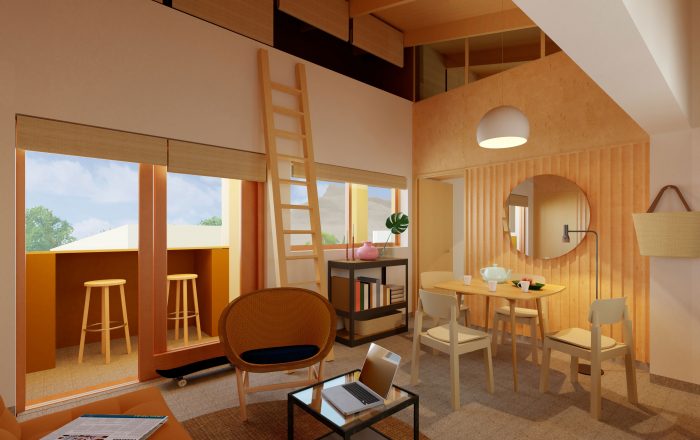
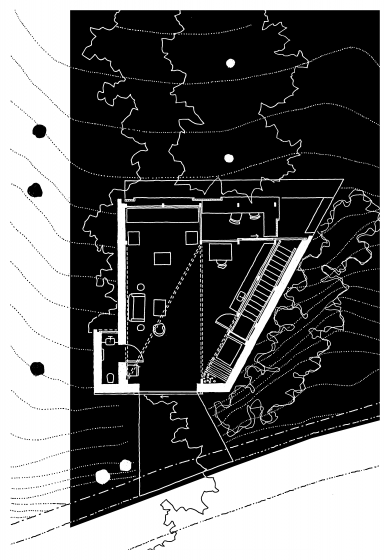
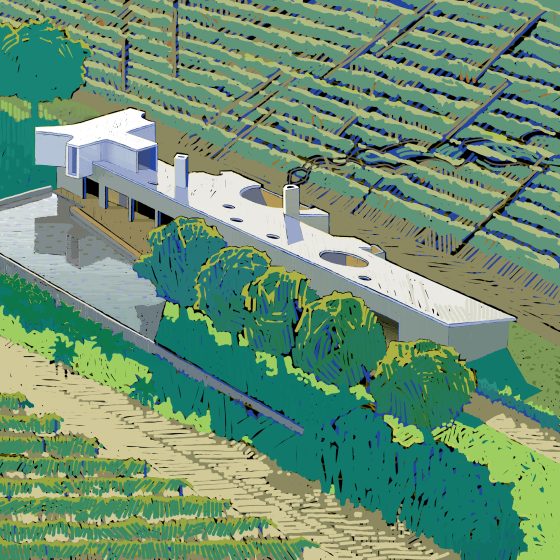
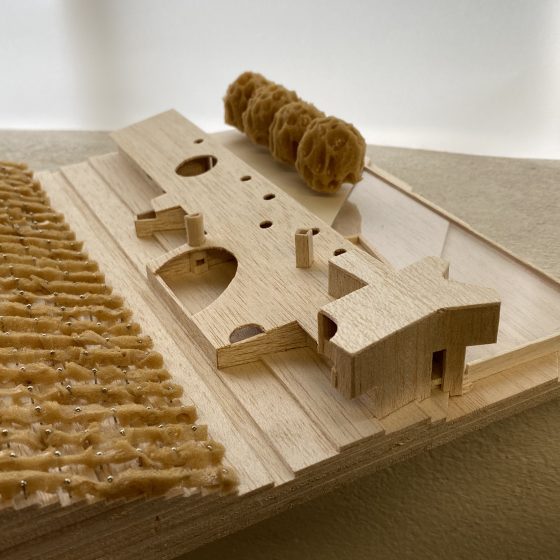
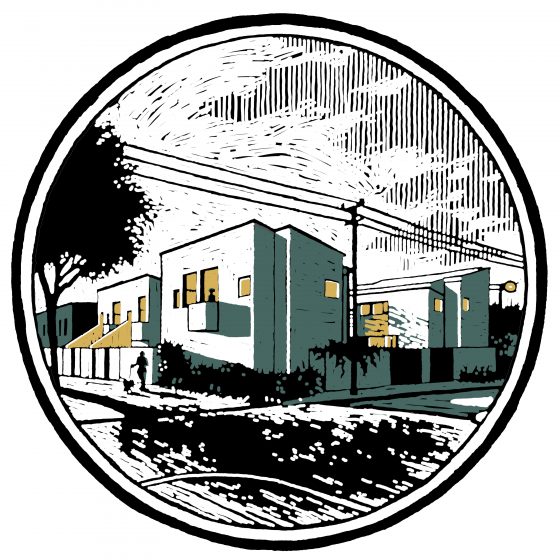
Access to the city is the primary ambition of this small scale, commercial development. The brief asked for two 60m² dwellings on each of the three adjoining properties. To accelerate the project timeline, departures and consolidation were avoided.


There is constant demand for small houses close to the opportunities of the city. The constant supply of expensive or large inner city houses produces an infrastructure that accommodates the elite and simultaneously excludes the poor.


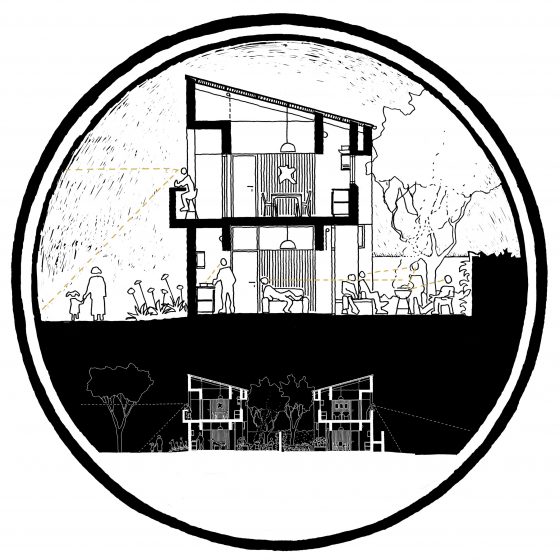
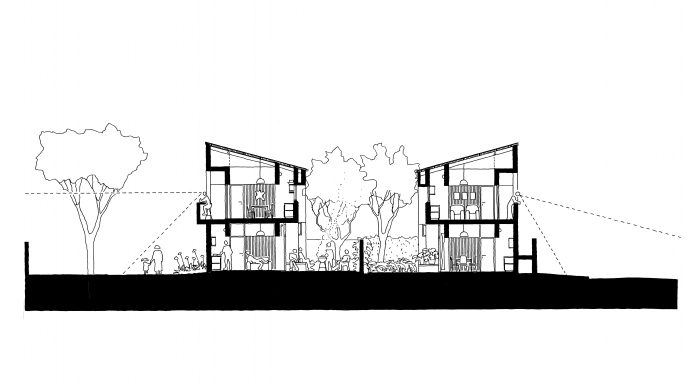
Each of the houses have their own entrance , parking space and yard. Suburban pleasures are offered in the context of higher density living. Each of the houses face in opposite directions; this composition gives every house a direct and private relationship with its outdoor spaces.


These houses are moderately priced one, two and three bedroom dwellings. What makes their planning significant is the capacity for subdivision.


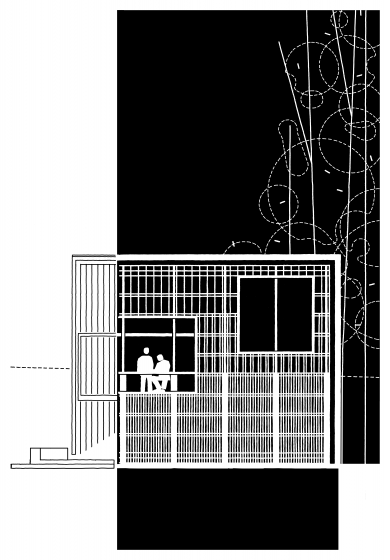
This studio for the Handspring Puppet Company is part of a series of spaces for art designed by Wolff Architects. In considering the appreciation of art, the situation of the encounter is of great significance. White box galleries and art fairs have all but flattened the experience of art as a commodity, situated in an emotionally desaturated white walled haze.


Adrian Kohler and Basil Jones are celebrated artists producing puppets predominantly for theatre productions. Their puppets are operated by puppeteers inside or next to the puppets and for this purpose their puppets are structured with very light frames of rattan or aluminium. Thin coverings are stretched over the frame. The sense of a living puppet is not achieved by dramatic gesture but rather the most subtle of movements; breath.

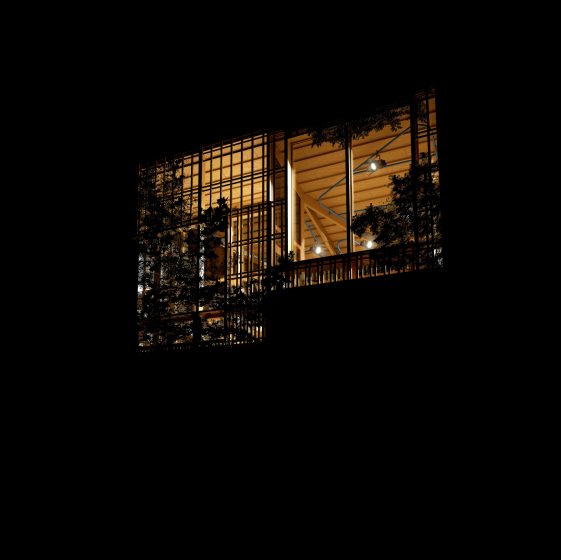
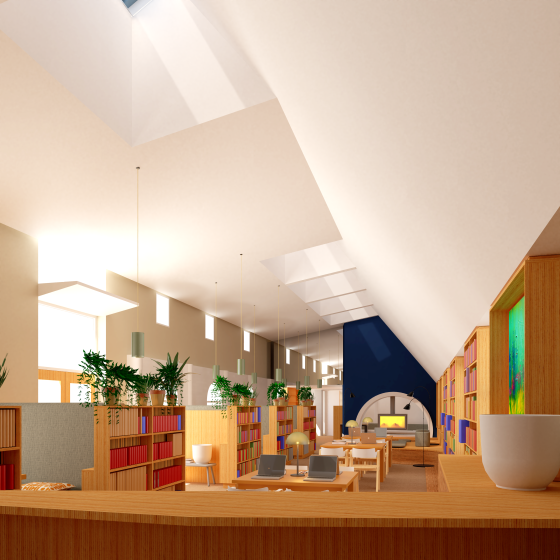
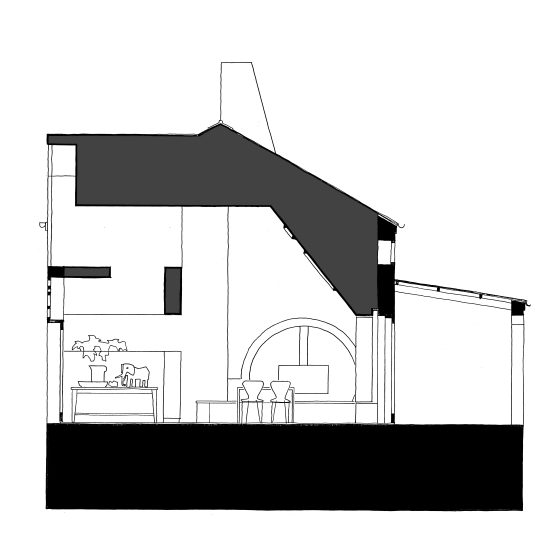
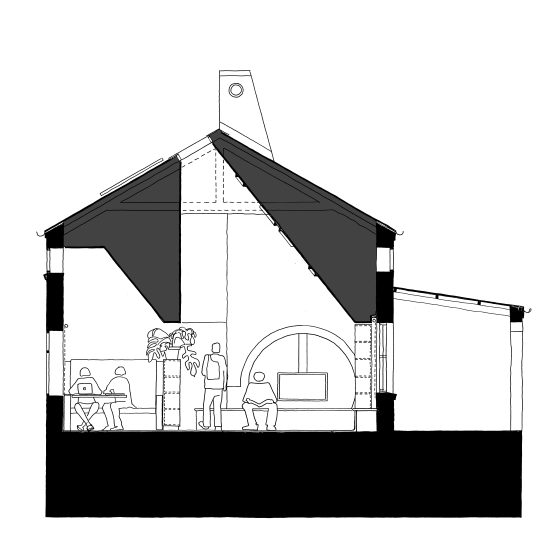
In designing this studio, we aimed at establishing an experience of intimacy in the production and appreciation of the puppets. The architecture generates its motives out of the artistry of the puppets. Like the puppets, the building has a principal frame and a light covering. Since the work of these puppeteers are destined for theatres, the studio replicates that atmosphere; it has a tall volume with hoisting hooks and lighting rigs. It can be filled with daylight, but it can also be darkened. The articulated timber wall surfaces avoid any comparison t0 generic white walled spaces. The overall composition of the building is a simple block with gentle distortions and apertures. The timber skin is enlivened on the street face with a composition of three panels; a sliding door, a clerestory window and a name board. On the opposite side of the building the timber skin dematerialises and is cut open; a high level opening which brings light into the main work space looks into the tops of the surrounding trees, a low level opening makes an aperture to an outdoor room which faces the garden.


The studio produces an intimate encounter with art. As a private workshop in a rural village it affords the artists a relaxed working space with features of a performance space. For the occasional visitor, the puppets are encountered as evolving artefacts situated amongst wood chips and drawings, production machines and the ever enthusiastic artists; an intimate and rare experience.


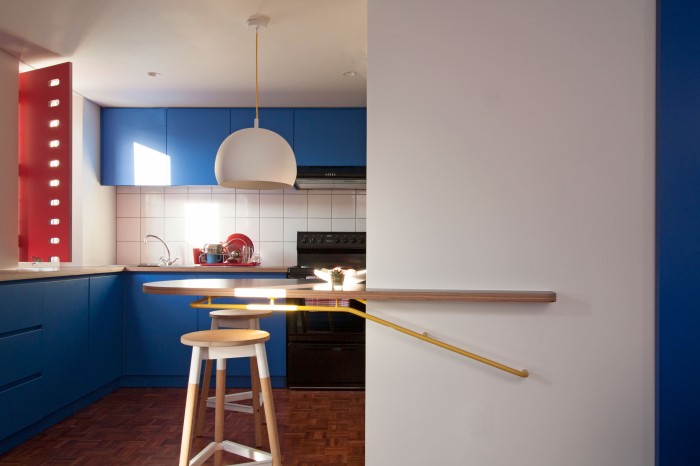
The task was to convert a man cave into a house. Previously, this house in Cape Town had a very poky undercroft, filled with masculine motorcar memorabilia. We were asked by the Handspring Puppet Company to make a one bedroom house for Siphokazi Mpofu, also a puppeteer.


2018_07_19_02_H-Wolff


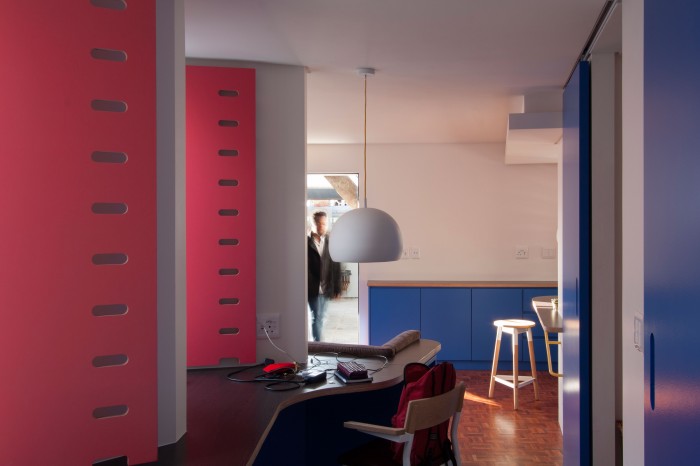
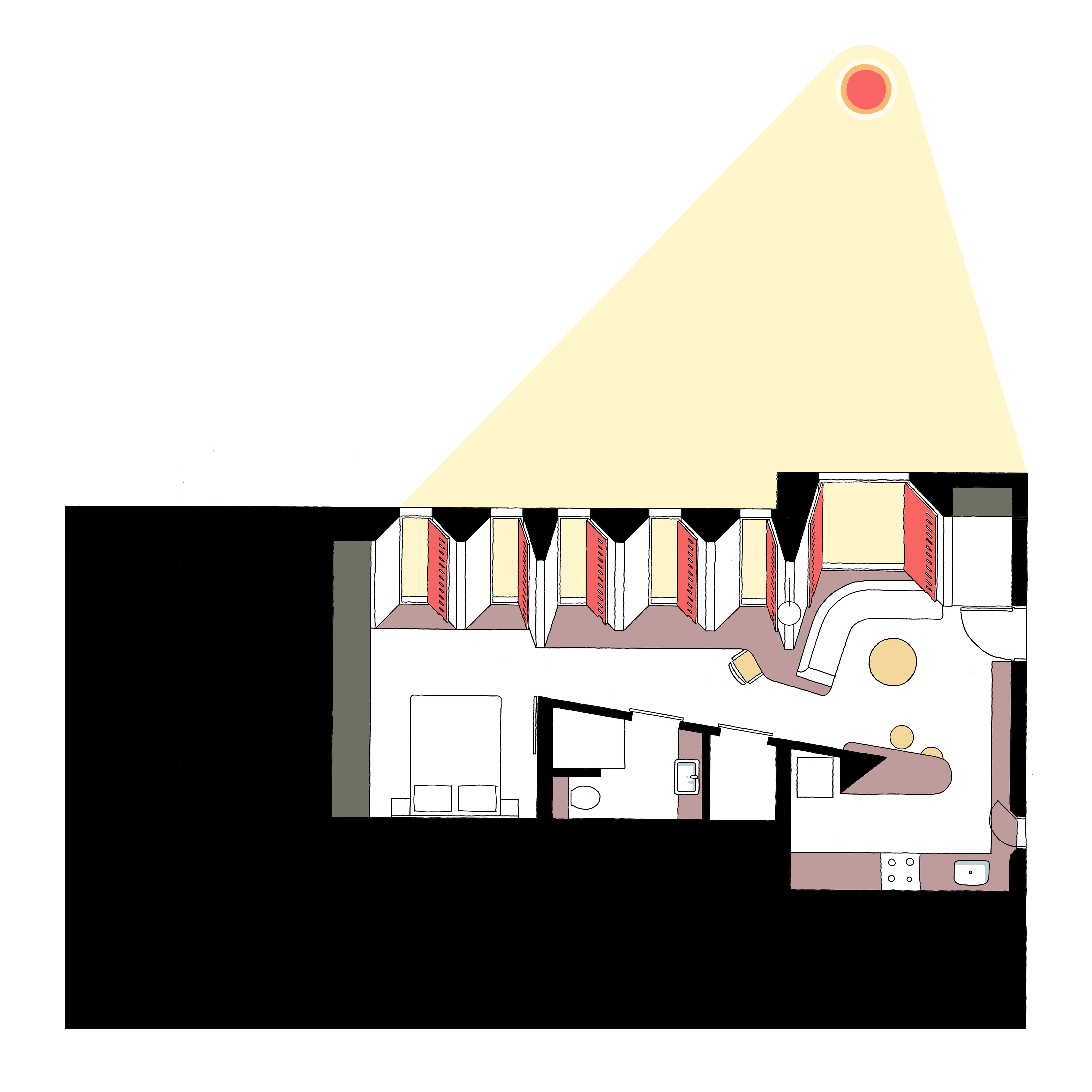
The sunny, northern face of the house was changed to a deeply corrugated facade. The vertical windows between the splayed reveals can be closed with bright coloured shutters, which provide privacy, security and ventilation.


2018_07_19_04_H-Wolff


The living-dining-kitchen space has a large window, flanged by two reveals that mark the space for a custom made couch. The couch is designed to face into the room and allow one to recline and look out of the house. In the centre of the living space is a cantilevered table with a yellow, tubular support structure.


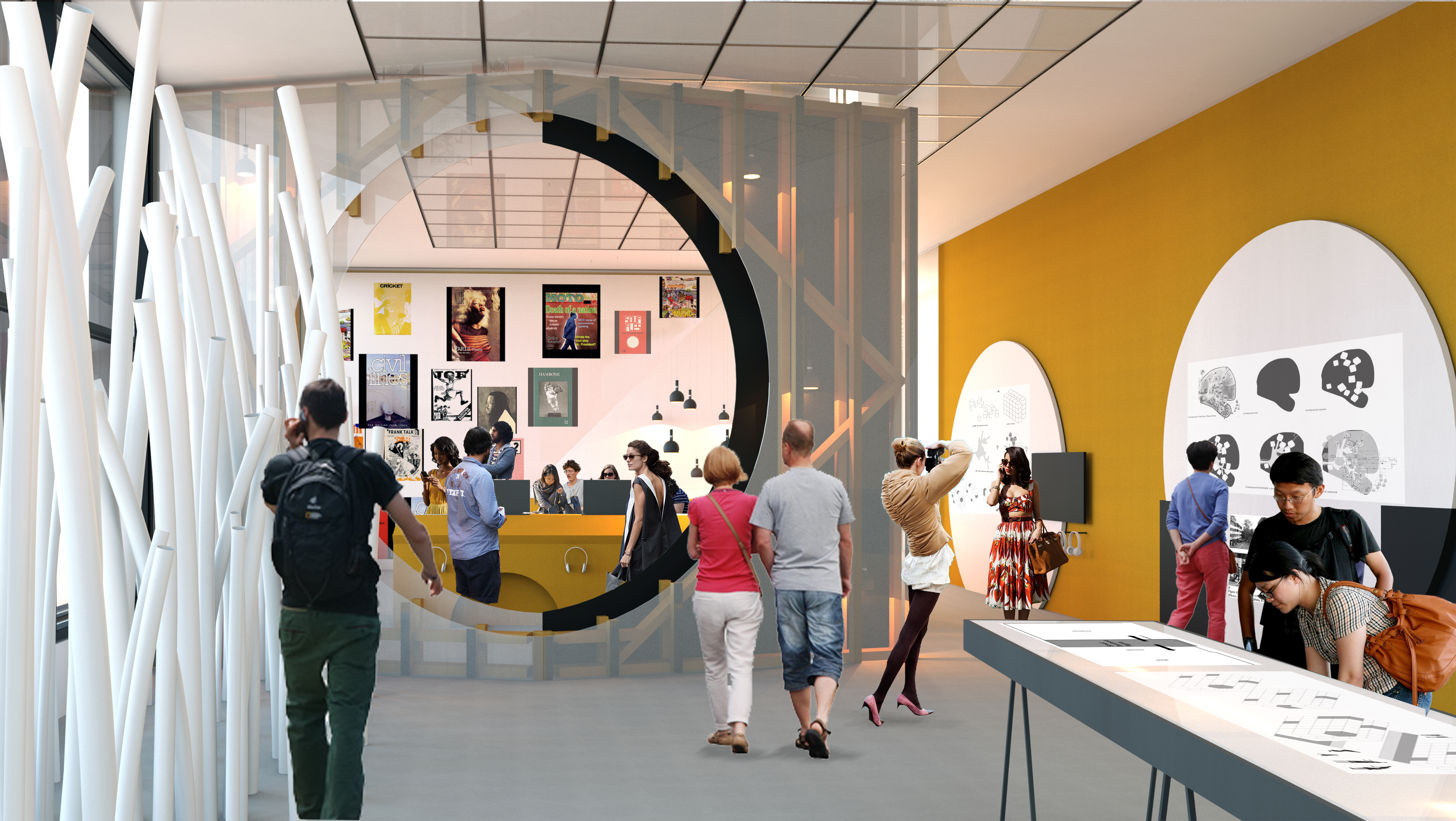
African Mobilities, curated by Dr Mpho Matsipa, is a collaboration between the Architekturmuseum der TU München in the Pinakothek der Moderne and the University of the Witwatersrand (South Africa). The initiative is supported by the German Federal Cultural Foundation. The project was produced with the support of the Goethe Institute, which will also be involved in the upcoming tour of the exhibition on the African continent.


Heinrich-Wolff_IMG_2271b


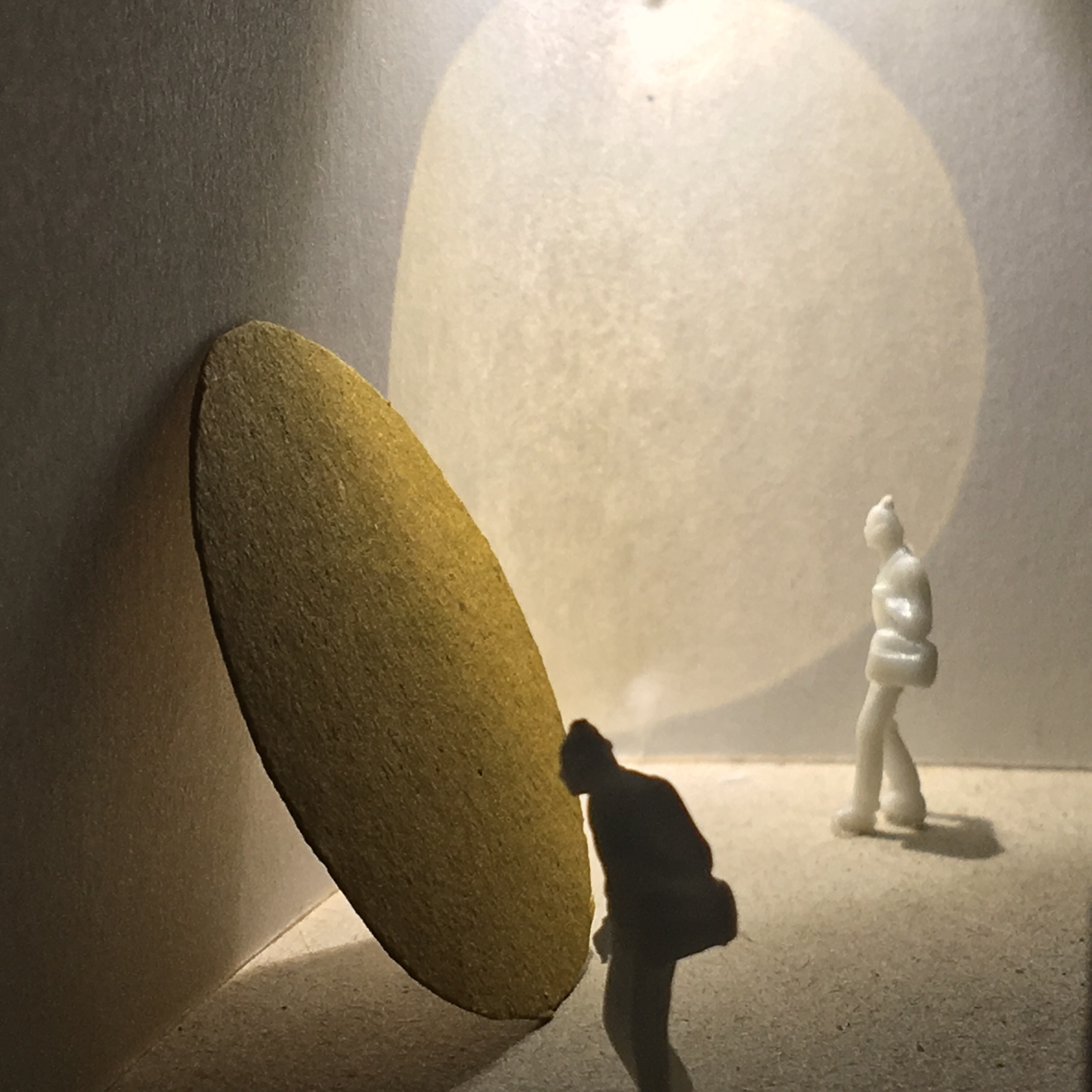
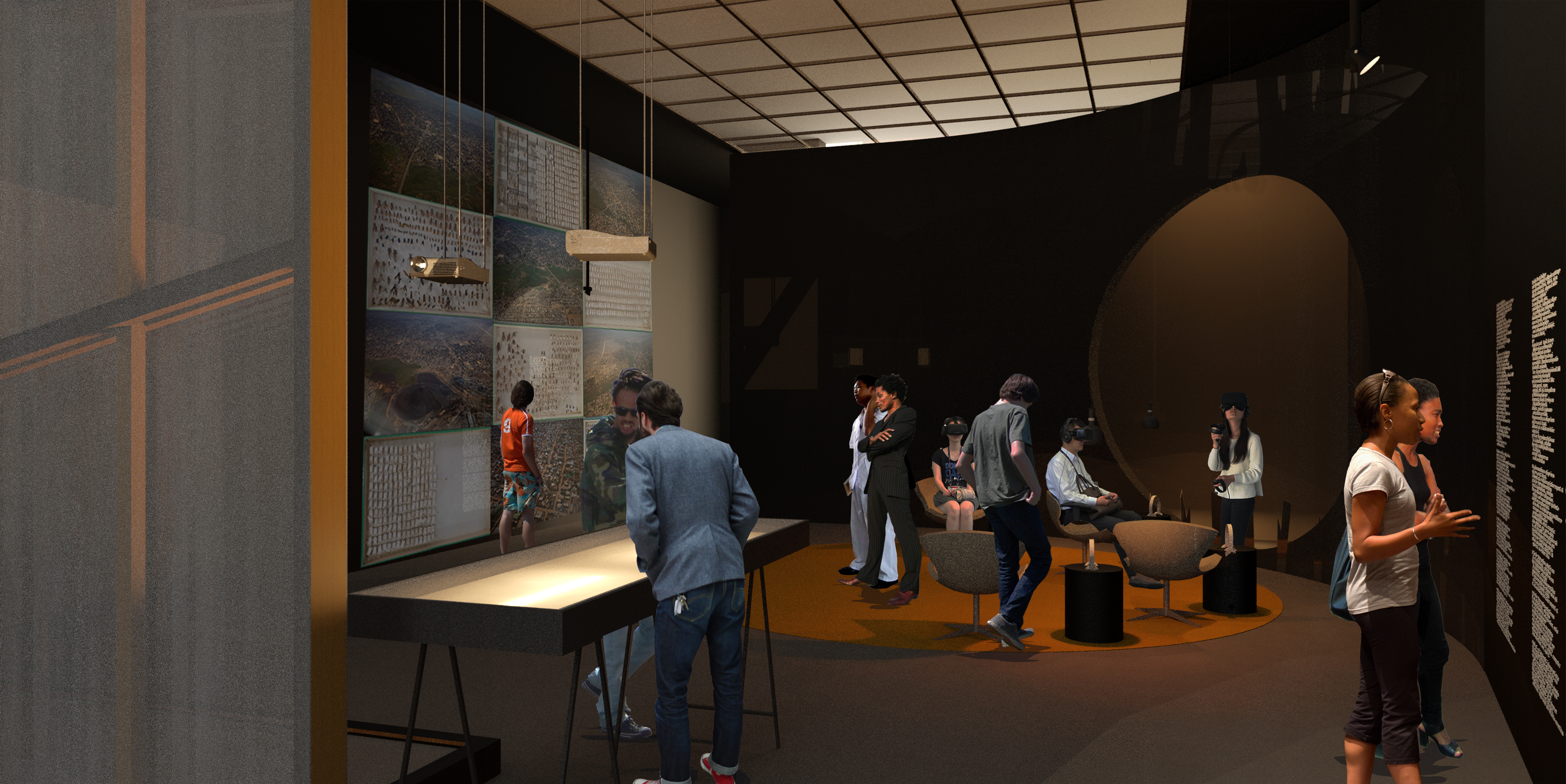
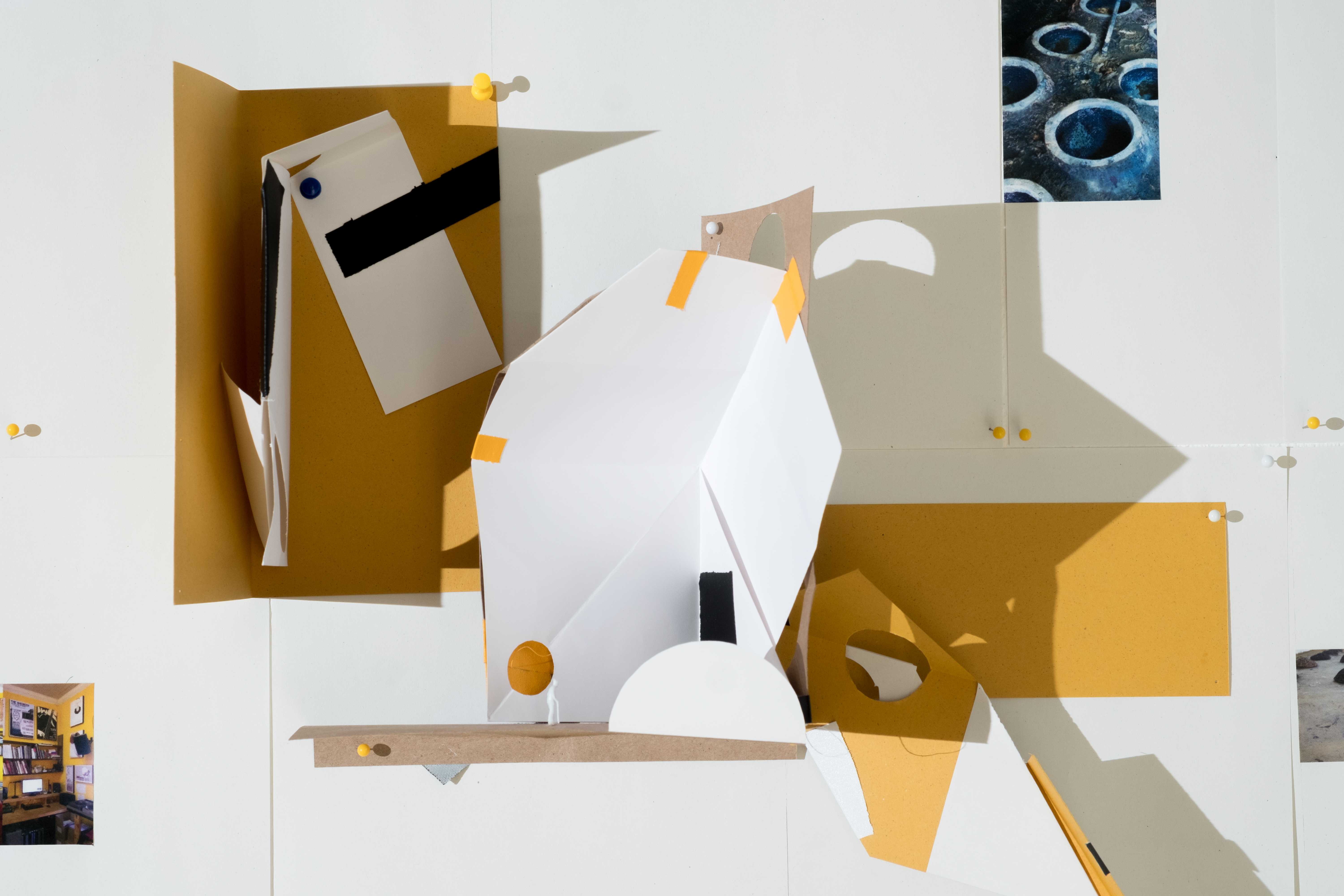
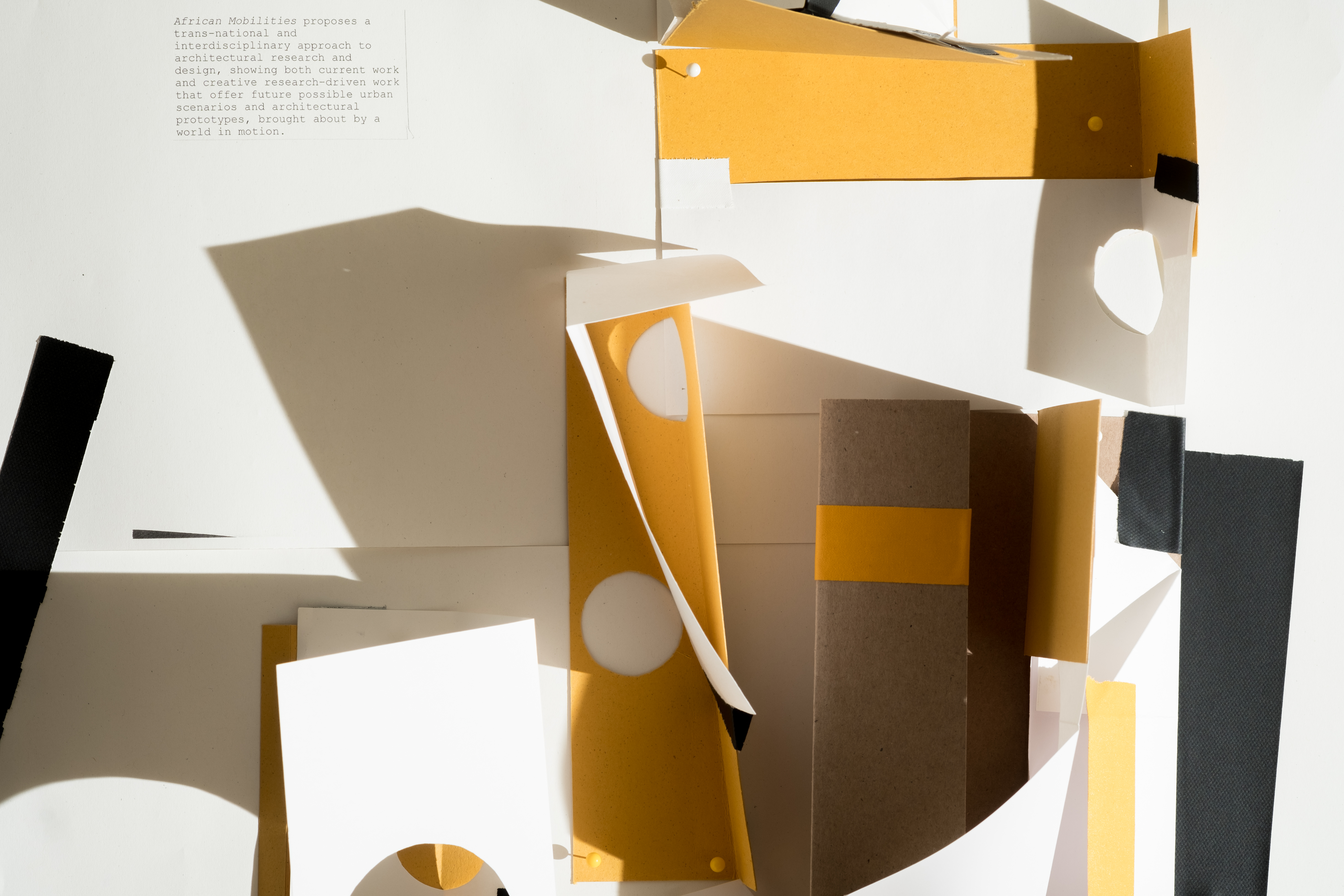
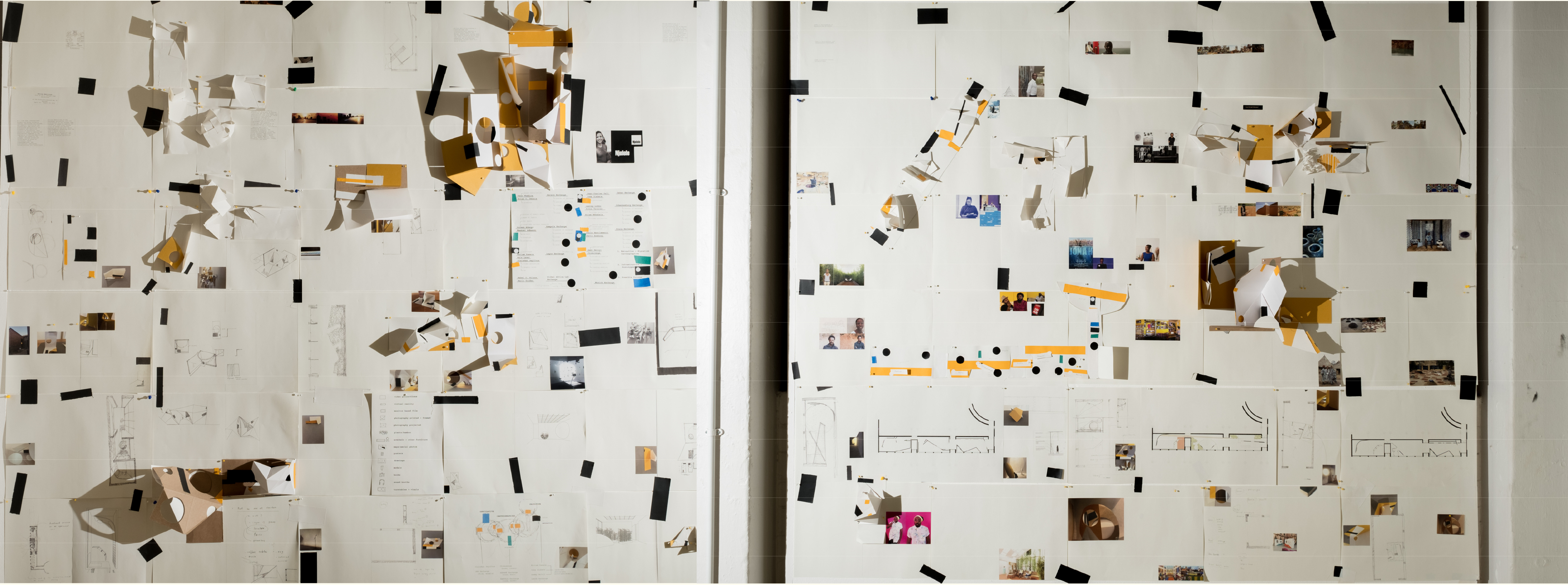
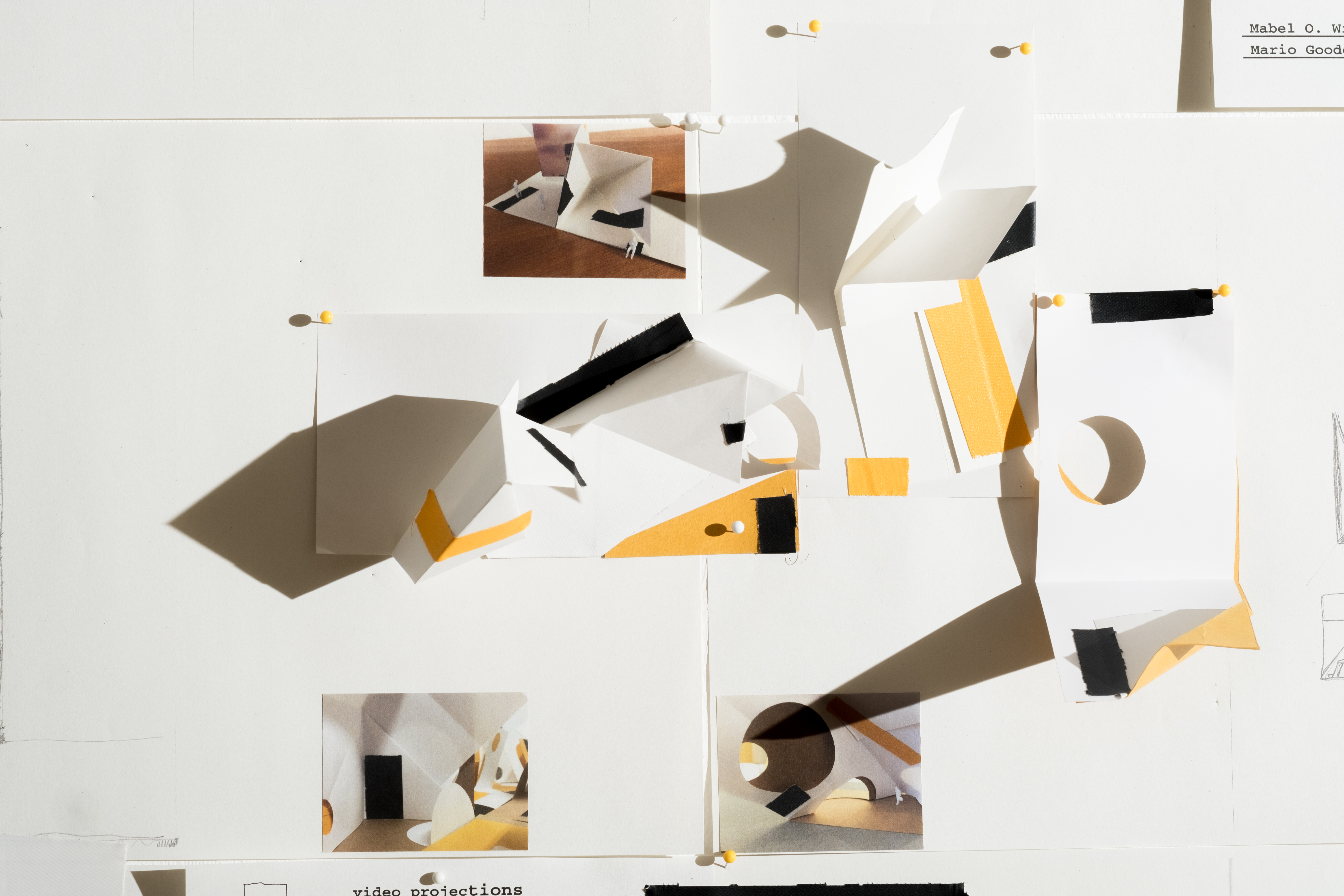
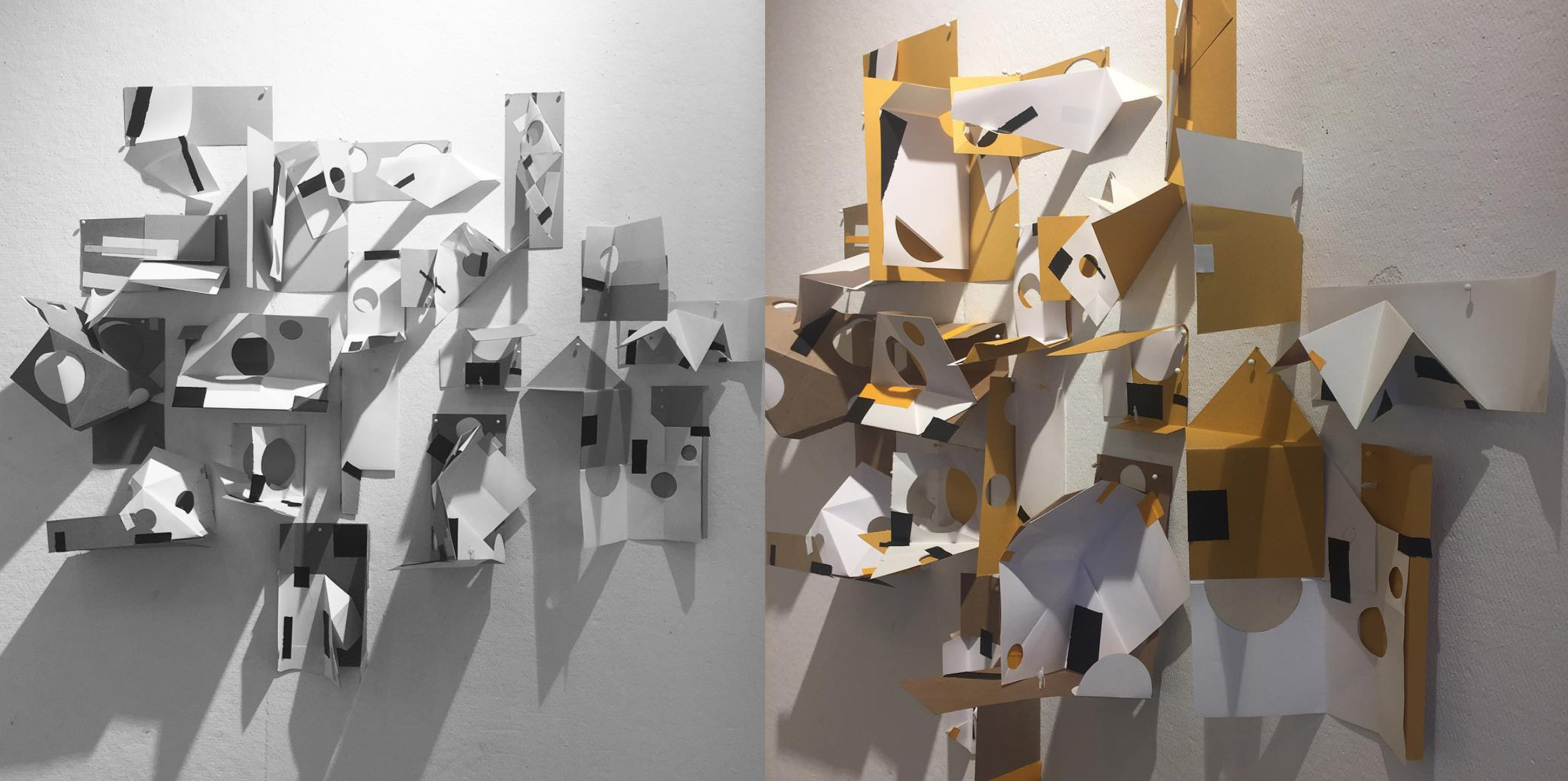
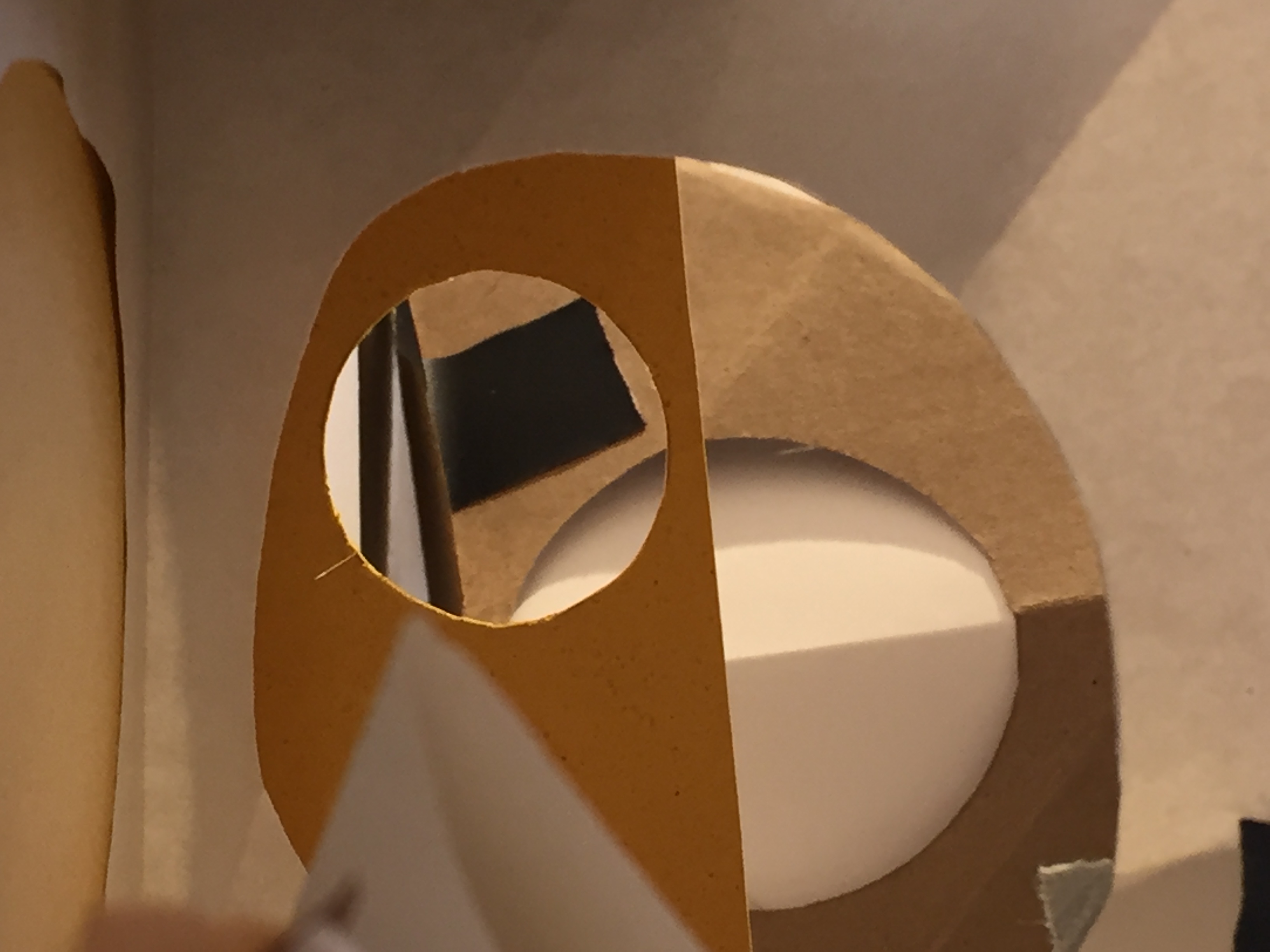
The design is a playful distortion of a very rational gallery space – the three halls of the Pinakotek de Moderne in Munich. The design evolved out of an intense process of model-making, that played with the intersections of circles, folds, gradations of light, colour and geometry. The result was a constellation of sculptural moments throughout the exhibition.


01


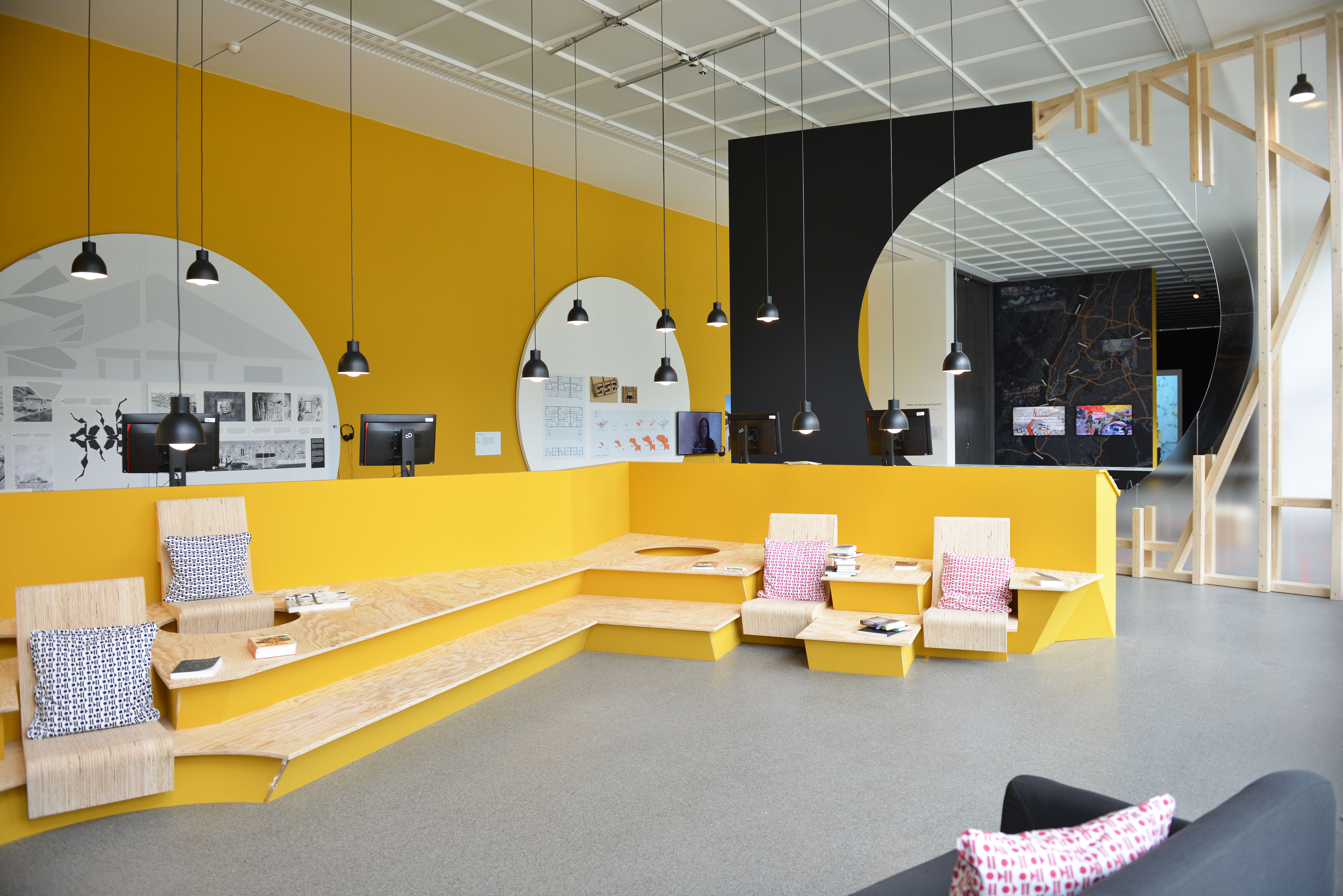
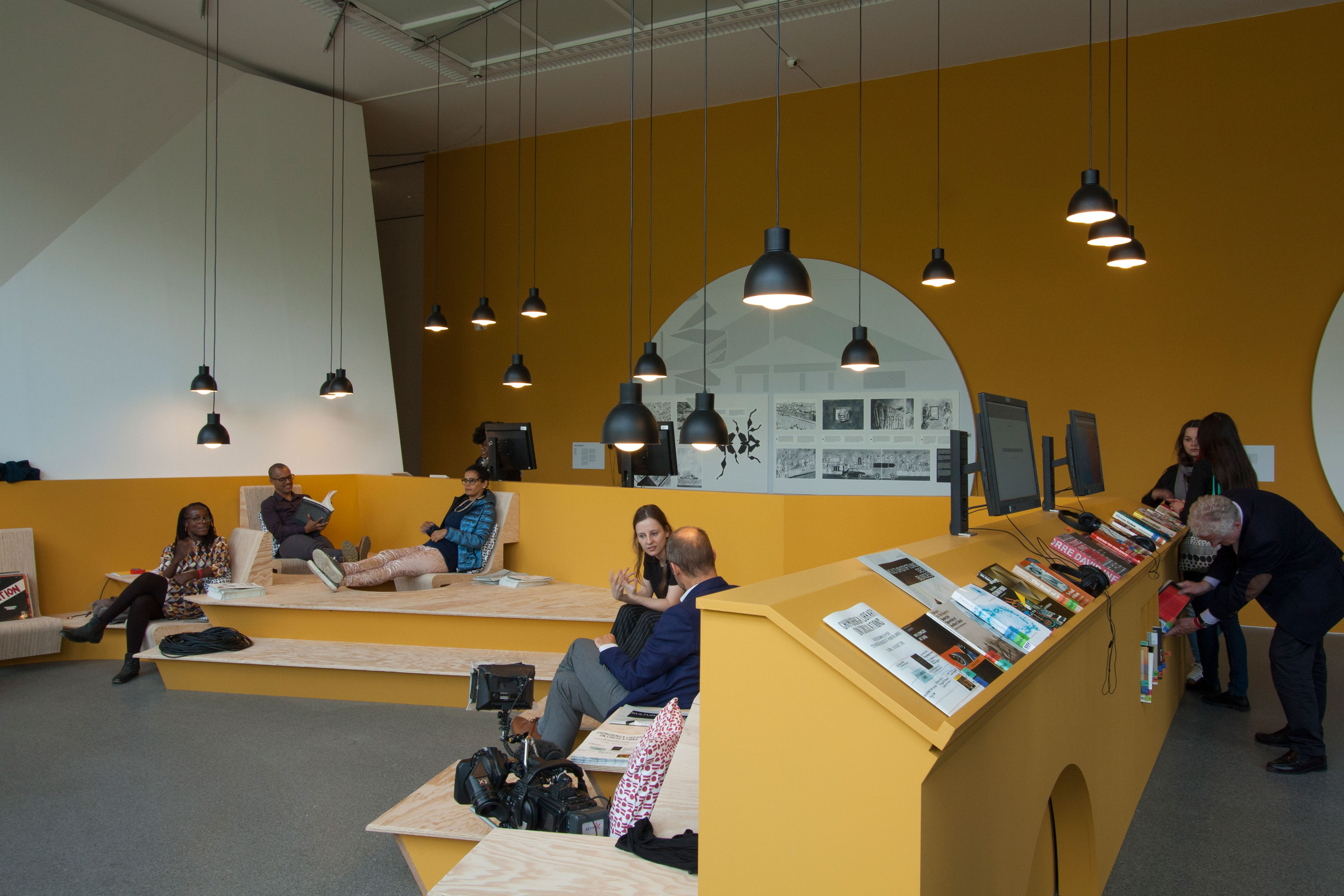
One concern that motivated the overall design was to radically delay the visitor experience of the exhibition. For this reason Wolff provided furniture, soft seating and a reading space looking out into a garden.


Laura-Trumpp_DSC_2163

  Photograph by Laura Trumpp


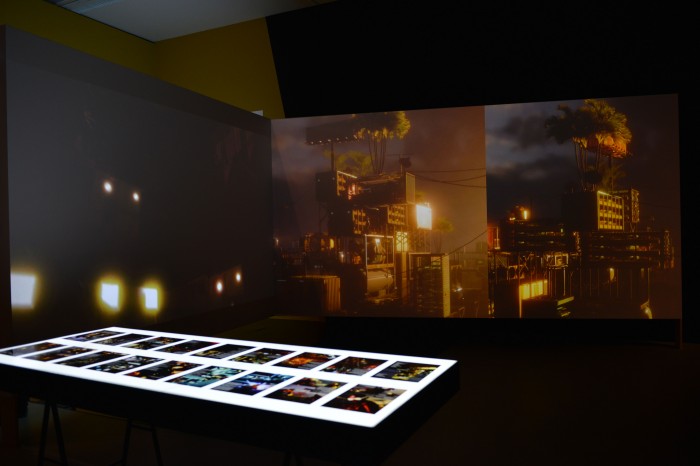
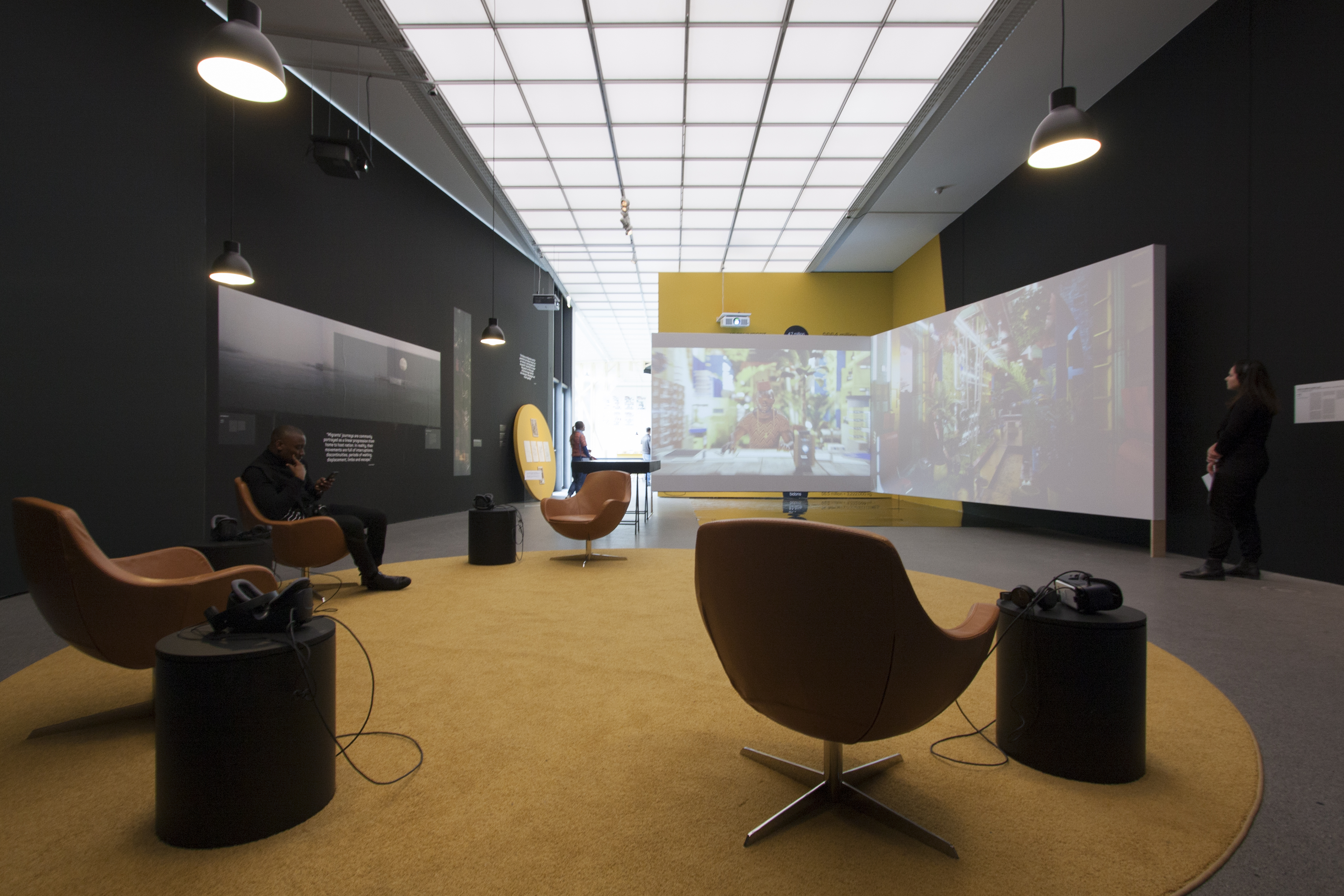
The first room is an immersive environment that disrupts the visitor’s visual senses by cutting out natural light and painting the room black. In one area, Mad Horse City (2018) – the virtual reality work of Olalekan Jeyifous and Olawale Lawal is juxtaposed with Sammy Baloji’s Essay on Urban Planning (2013) as anchors for the three themes of cartographies of migration and extraction, prototypes and future imaginaries (dystopia/utopias). These works are located in a gently lit, curved space that is draped in black muslin. Comfortable seating and soft carpeting are introduced in order to provide a sensual experience of both virtual and real experience.


Laura Trumpp_0145

 Photograph by Laura Trumpp


02


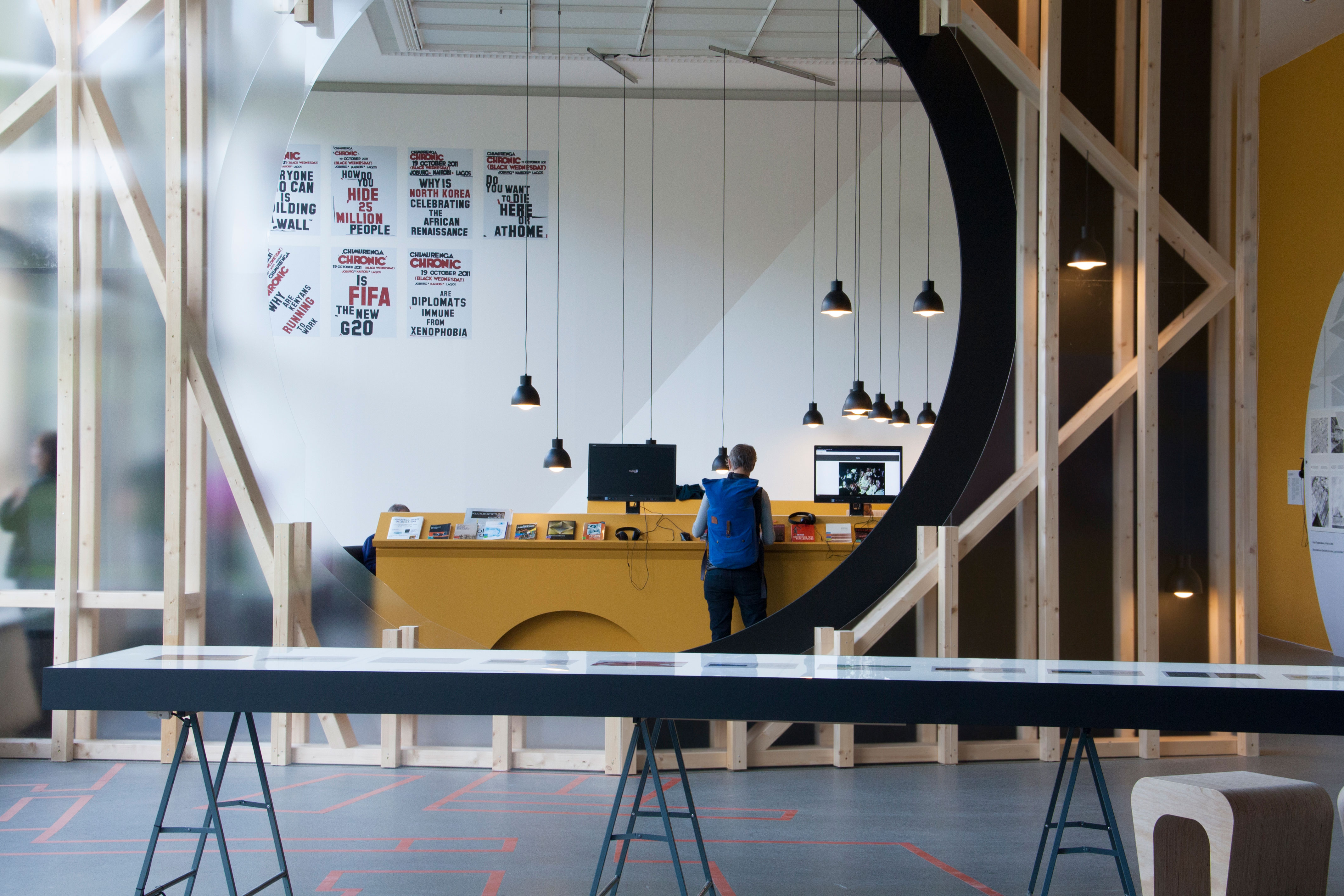
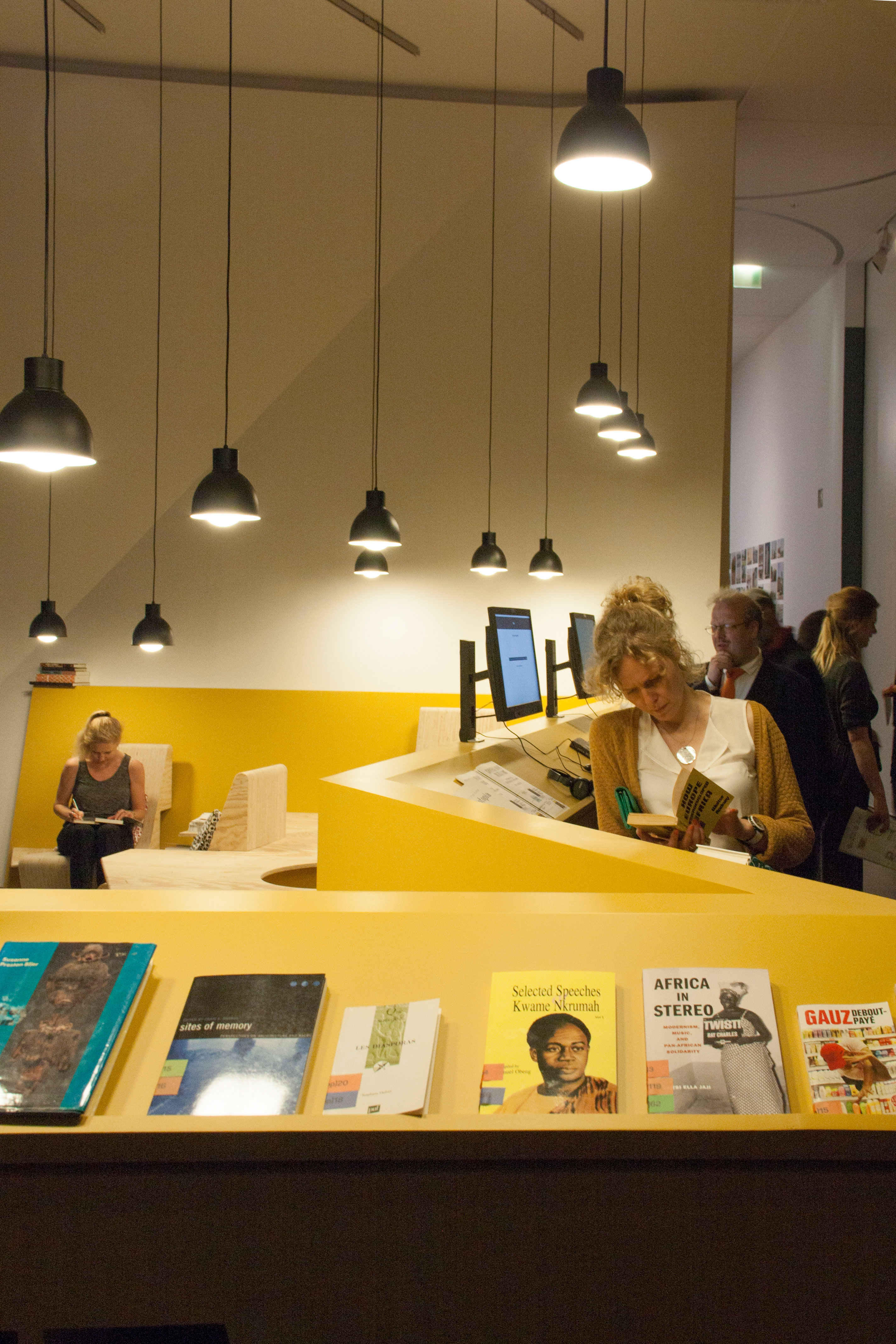
The second room is anchored by the Chimurenga Library. This light-filled space forms the social heart of the exhibition with views out to the garden, where visitors are encouraged to engage with the alternative approaches to knowledge production, building technologies and urban infrastructures. The circular geometries, folded planes and layers of light and colour gives depth to the space.


Heinrich-Wolff_IMG_2283


Heinrich-Wolff_IMG_2254


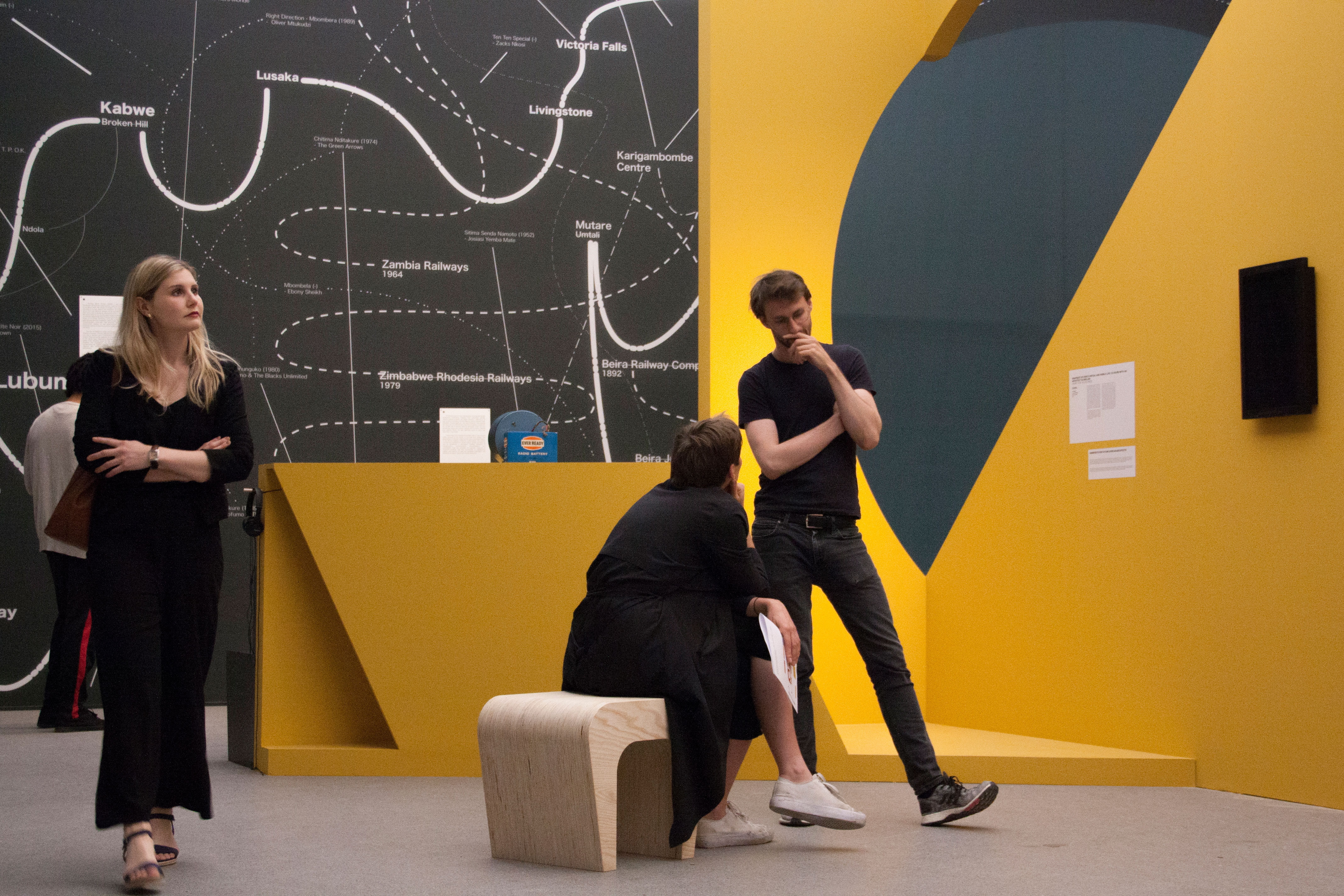
In the final room, Merkato, by Emanuel Admassu, a specially commissioned tapestry that maps trade patterns in the main market in Addis Ababa, is mounted against one of the two freestanding pavilions in the space. The work of Doreen Adengo is presented in the same pavilion, the design of which references the kitenge shops in Kampala and the mobility of Congolese traders and their wares in that region. The second pavilion in the room is designed to foreground the sound, text and graphic collaborative piece, Carthographic Entanglements, by Dana Whabira, Nolan Oswald Dennis and Thembinkosi Goniwe. The pavilion creates space for listening and echoes the seating configuration of trains, since the key focus of the piece is to map the entanglement between railway infrastructure, music and urban development.


Heinrich-Wolff_IMG_2248


Heinrich Wolff_IMG_2261


03

 Photograph by Lindsey Appolis


04

 Photograph by Lindsey Appolis


Microsoft PowerPoint - Ilze Wolff_recent projects.pptx

Photograph by Lindsey Appolis


06

 Photograph by Lindsey Appolis


07


08


09


pumflet: Donke Veby, was created to accompany the lecture performance ‘vi die wat wil wiet/for those who need knowing’, by Ilze Wolff, for Season 4 of the Centre for the Less Good Idea, 2018. It features much of the imagery from this performance and correspondence, particularly with Joburg-based researcher Amie Soudien.

Click here for more information about the performance.


Click to view the lecture performance with sound designed in collaboration with composer Cara Stacey.


pumflet in progress


Performance at the Centre for the Less Good Idea, Johannesburg

Photo credit: Centre for the Less Good Idea


Towards the middle of 2017, Wolff Architects submitted a concept proposal for the Venice Architecture Biennale 2018. Our submission formed part of a formal tender process to the Department of Arts and Culture. To date we have not heard anything from the DAC on whether our proposal has been successful or unsuccessful. We learnt from a City Press article, that the DAC had decided not to award any tender and that the South African Pavilion in Venice, for which the South African public pays taxes towards its maintenance, would be standing empty for 2018.


Dissatisfied with the lack of engagement and care, we decided to host an open call and exhibition at our office, 136 Buitengracht Street, Cape Town on 17 May 2018, a few days before the official opening of the Architecture Biennale in Venice.


Our Venice 2018 proposal, in short, proposed commissioning photographers to submit an image of an oppressive space, psychologically or spatially, with the idea that their images would be printed out in extreme miniature (2cm x 2cm) the size of an Instagram thumbnail. Upon entering the pavilion it would appear that there is nothing on the walls – you would notice the diminutive captures only upon closer inspection. In contrast, the space at the end of the room would be occupied by a specially chosen image that would ask the audience to imagine alternatives.


See more images of the event here.


Chalwyn Thomas’s presentation on the construction of the Rondehuis.


Zuna Thomas reciting a poem she wrote in khoekhoegowad of the Nama.


Installation of the exhibition with chair to view.


The problem of the twentieth century is the problem of the color-line—the relation of the darker to the lighter races of men in Asia and Africa, in America and the islands of the sea”

W.E.B Du Bois  in “Of the Dawn of Freedom” (from the Souls of Black Folk,1903).


In the twenty first century many will argue that  W.E.B’s  quote is still  very much relevant ,others may say it is all in the past and will not happen in the future. Must we let go of bygones already, does the past not affect our present day realities? Is closure the only way we can move forward?


pumflet ‘luxurama’ was commissioned by The Institute for Creative Arts (ICA) as part of the  Live Art Festival 2018 . ”This interdisciplinary festival is designed to challenge and extend the public’s experience of live art ,in a non-commercial environment and make accessible the work of visual and performing artists who explore new forms, confront audiences and experiment with perceptions”.


To help on the journey of creation/closure we asked ourselves these questions; could one hold a funeral for a building? And if one could, what would it look like? What would it sound like?


We staged a funeral for the Luxurama Theatre, the once-iconic cultural institution in the heart of Wynberg, Cape Town. The building was where international acts such as Percy Sledge, Eartha Kitt, and Dusty Springfield performed and was the home of local giants such as Taliep Pietersen, Zayn Adams, and Winston Mankunku Ngozi. Under apartheid’s weird separate amenities laws, it was the only place that could host shows for ‘mixed’ audiences. Today, the Lux is vacant and in disrepair, just like the many unsung freedom fighters and activists who once ,under the banner of the UDF used the Lux as a safe space for political underground meetings; on ways  towards freedom. The mosque across the road  from the Lux has bought the building and they are renovating it for use as an Islamic school.


After the tour, we were led down Park Road by a funeral procession band made up of musicians from the Winston Mankunku Jazz Foundation led by Thulisile Ngozi, the brother of Winston Mankuku, who started this foundation in honour of Winston, and since Yakhal’inkomo debuted in 1968 at the Lux, it made sense for Mankunku to be present at the funeral of the theatre building, through his music. The Ngozi family were themselves victims of forced removals, having been moved from Retreat to Gugulethu in the early 70s.


As with all funerals, we convened for tea, chatter and samoosas at Cosy Corner Take Aways at the end of Park Road, where the procession ended with a performance of Yakhal’inkomo, arranged specially by Thulisile.


See more images of the event here.
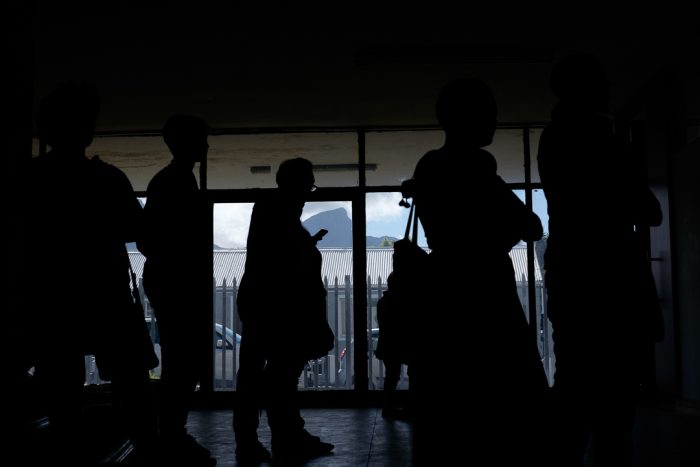


Visitors on a guided tour/Memorial service of the interior of the Luxurama theatre.
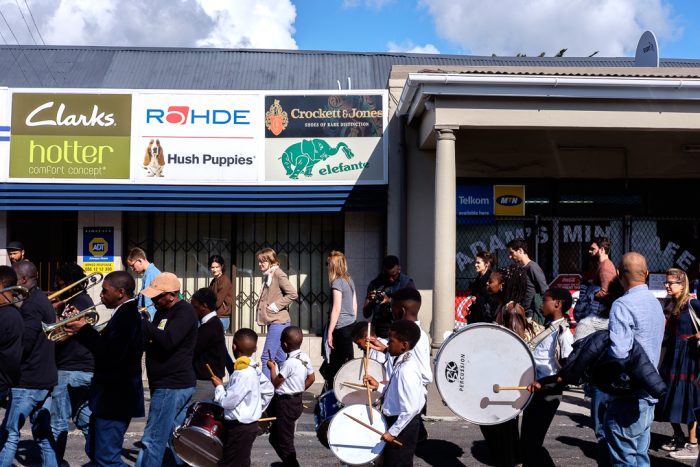


Members of the community and ICA audiences came to witness the procession down Park Road in Wynberg.
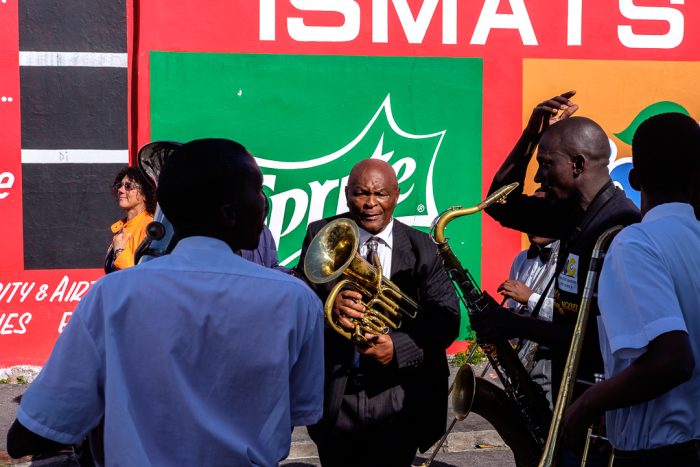


Themba Ngwenya former boxer and principal, has now dedicated his life to teaching and making music.
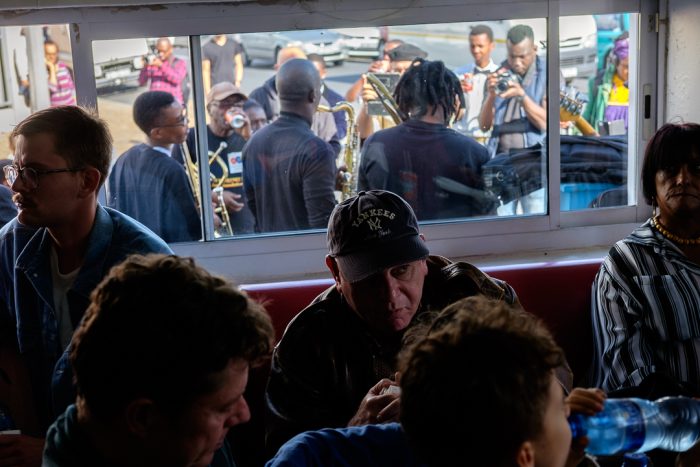


The After Tears convening at Cosy Corner.
All photos by Barry Christianson.


pumflet ‘gladiolus’ documents the conversation between ourselves and artist Kemang Wa Lehulere, about Luyolo, the black neighbourhood in Simonstown that was completely demolished in 1964 and from where most of the residents were moved to Gugulethu; and about Redhill, a black neighbourhood where people were moved to Ocean View and of which ruins still remain today. During our research about Luyolo and Redhill we looked at the paintings of Gladys Mgudlandlu, an artist from Gugulethu and the writings of Gladys Thomas, a poet living in Ocean View, in an attempt to find visual and literary links to these historic and contemporary sites of forced removal.


‘gladiolus’ documents our speculations on Mgudlandlu’s depictions of Cape Town’s built environment of the 1960s and also our discussions with the poet Thomas from her Ocean View home. Through the documentation we meditate on the way these sites were linked through landscapes, creativity and the social imagination.
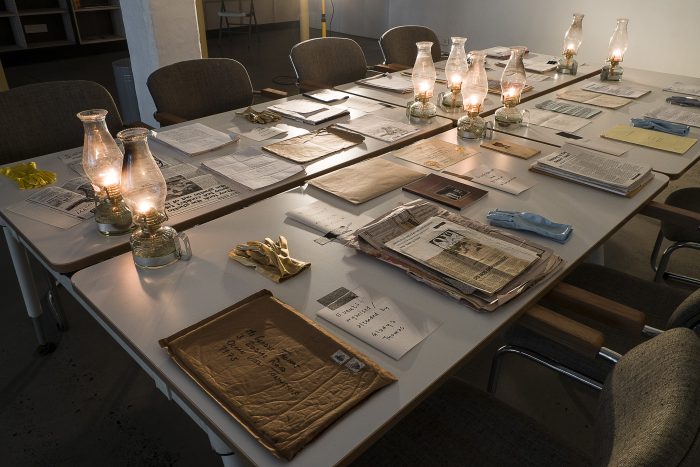
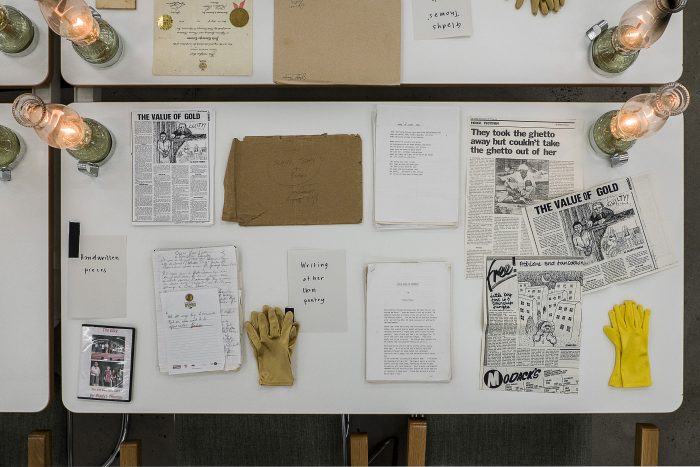
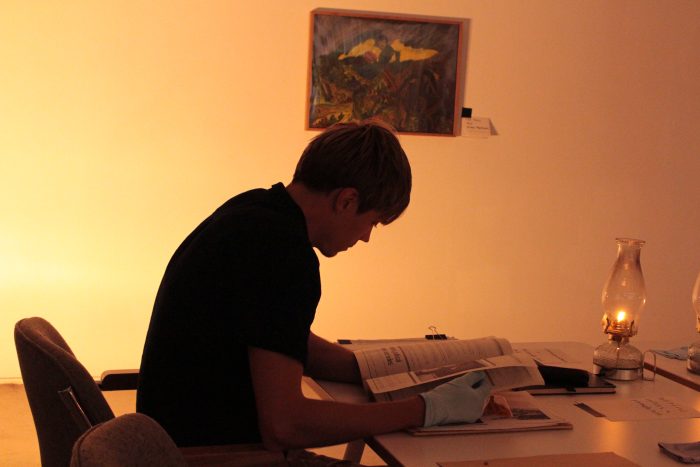
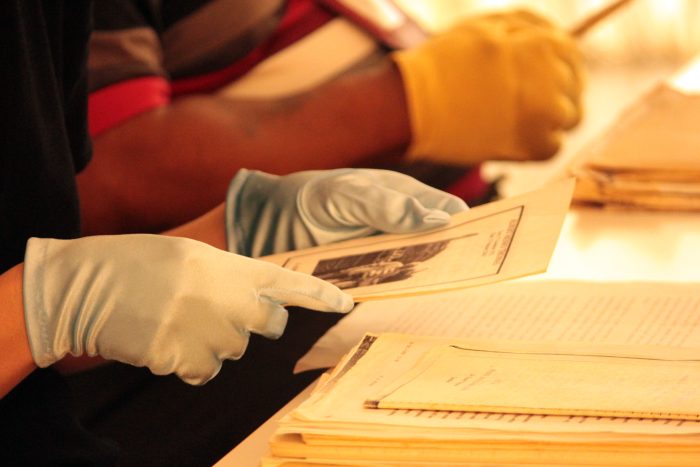
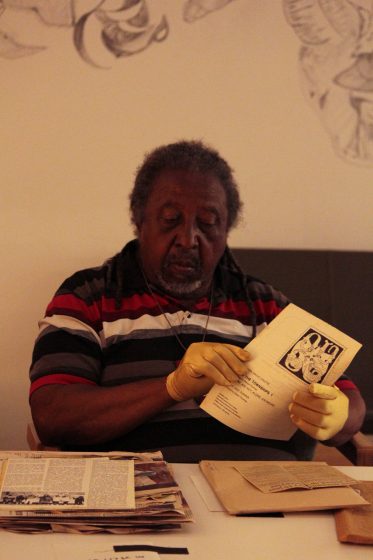
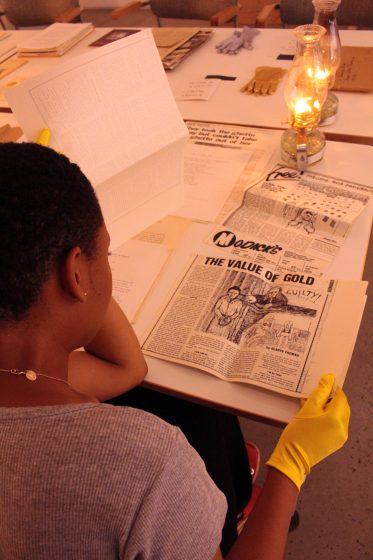
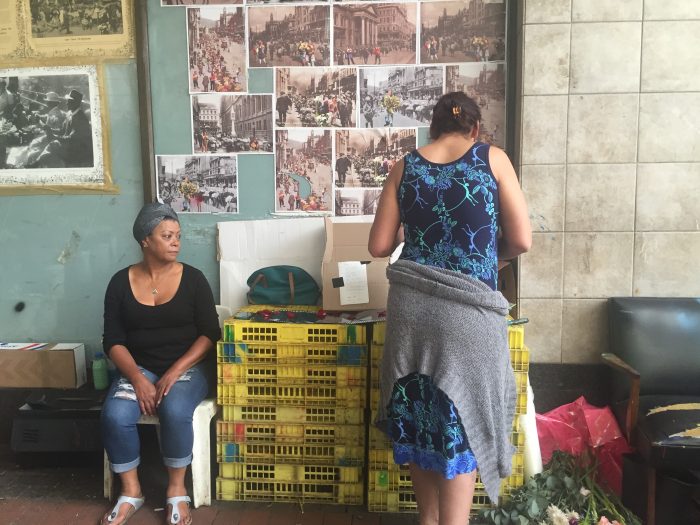
pumflet ‘gladiolus’ was shared at the A4 Arts Foundation and at Adderley Street Flower Market in Cape Town. Gladys Thomas’ creative writing archive was also on view at A4 Arts Foundation. The video piece ‘Homeless song 5’ was screened, followed by a discussion. Click here and here for more information and images.
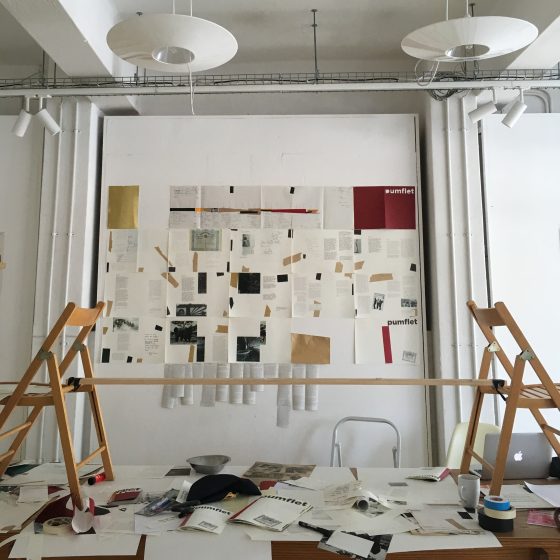
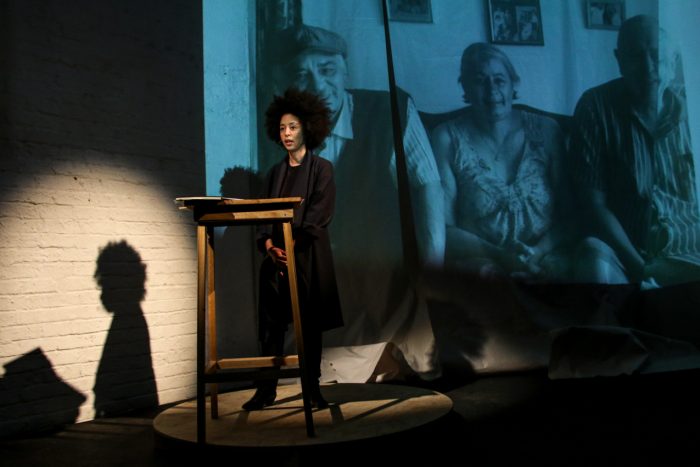


Photo by Heeten Bhagat


Photo by Kyle Morland


Photo by Heeten Bhagat


Photo by Heeten Bhagat


Photo by Heeten Bhagat


Photo by Heeten Bhagat


Pumflet for sale at the Adderley Flower Market